
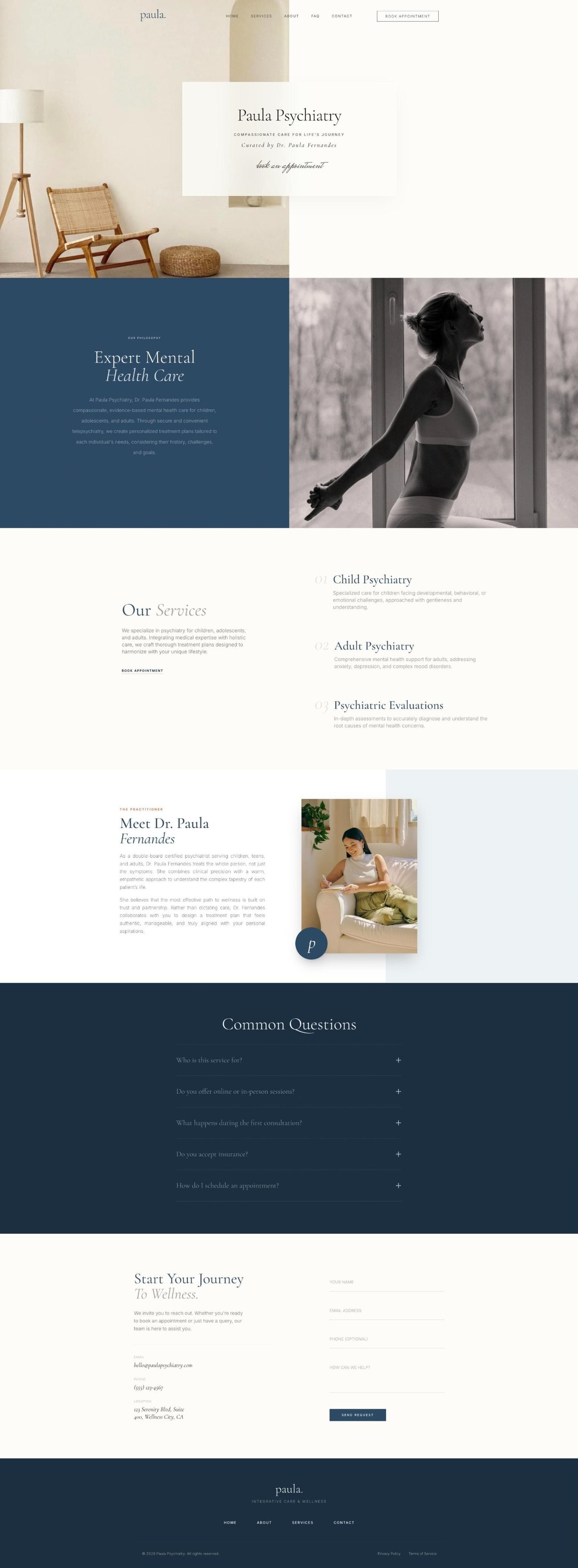
Private practice marketing can feel like an endless to-do list: a website, directories, Google, social media, articles, referrals, ads. Without a plan, most therapists either try everything for two weeks or do nothing at all.
BrighterVision's guide to private practice marketing plans recommends the same simple structure most business plans use: know your audience, set clear goals, choose a few tactics, start with low-cost organic methods and track results before scaling. Here is how that looks as a 90-day plan, with one clear focus for each month.
Month 1: foundations
The first month is about the things every other step depends on.
Week 1: your message. Write one sentence about who you help, with what and where. "Therapy for new mothers who feel overwhelmed, online across Colorado." BrighterVision suggests building a picture of your ideal client: their struggles, their motivations and the words they use.
Week 2: your website. Check that your homepage says that sentence clearly, that each main specialty has its own section, that your fees or insurance are explained, and that booking a first call takes a few taps on a phone. If you do not have a site yet, this is the week to get one. A one-page website is often enough to start.
Week 3: your Google Business Profile. Claim it, complete every field, choose your categories and add a few real photos. If you work only online, show a service area instead of an address. Google says complete, verified profiles are more likely to appear in local results.
Week 4: one directory profile. Choose one therapy directory and write a complete profile in your clients' words, linking to your website.
Month 2: visibility
With the foundations ready, the second month is about being found more often.
Content. Publish helpful articles that answer the questions clients ask you in first calls. BrighterVision lists content marketing among the core tactics, and Google says useful content influences search presence more than any other factor in its SEO guide. The key is steadiness. If you would rather not write, our Rooted SEO service, opening soon, writes and publishes articles on your site every day.
Referral relationships. Make a list of ten professionals who meet your future clients: family doctors, psychiatrists, OB GYNs, school counselors, other therapists with full waitlists. Send a short, friendly email to two or three each week, with your one sentence and a link to your website.
Consistent details. Check that your name, phone and address or service area are identical on your website, Google profile and directory.
Month 3: growth and measurement
The third month adds speed and starts measuring.
Ads, carefully. BrighterVision suggests starting with low-cost organic methods and reinvesting in paid channels as the practice grows. Once your website and profile are working, a small ad budget can bring inquiries faster. Ads for therapy need care with ethics rules and platform policies. When you are ready for this step, our Meta Ads service, opening soon, plans and runs campaigns for practices like yours.
Measure. Ask every new client how they found you and write it down. BrighterVision recommends tracking the goals you set and moving resources toward what works. After 90 days, you will see which channels bring the clients you most want.
Plan the next 90 days. Keep what works, drop what does not and choose one new thing to try.
A marketing plan does not need to be big. It needs to be followed, one week at a time.
How to keep the plan going
The hardest part of any plan is week five, when the first excitement fades. Block one fixed hour in your calendar each week for marketing, the same day and time, and treat it like a session. Keep a simple list of this week's three tasks, and move on when they are done. Small, steady steps beat big bursts that stop after a month.
If a week goes badly, skip it and continue the next one. A plan that bends is better than one that breaks.
What to skip in the first 90 days
- Every social platform at once. Choose one, only if you enjoy it.
- Constant redesigns. Fix what is unclear, then let the site work.
- Soliciting testimonials. Check your ethics code first; many therapist codes restrict it.
We wrote more about how local search works in our plain-language guide to SEO for therapists, and about the order of marketing steps in marketing for health and wellness businesses. If you would like help with month one, our Website in a Day gets you online fast, and you can see our therapy websites in our portfolio.
Questions about marketing a practice
About two to four hours a week in the first month, while you set up the basics, and one to two hours after that.
The first two months can run on almost no budget beyond your website. In month three, a small ad budget can bring clients faster once the basics are working.
Start by checking it against month one: is it clear who you help, are fees visible, is booking easy on a phone? Fix those first, then move on.
Check your ethics code first. The APA Ethics Code says psychologists do not solicit testimonials from current therapy clients, and many other codes are similar.
A website ready for the clients your plan brings.
Website in a Day, from $497 (launch offer until Dec 31, then $697).
See the options